
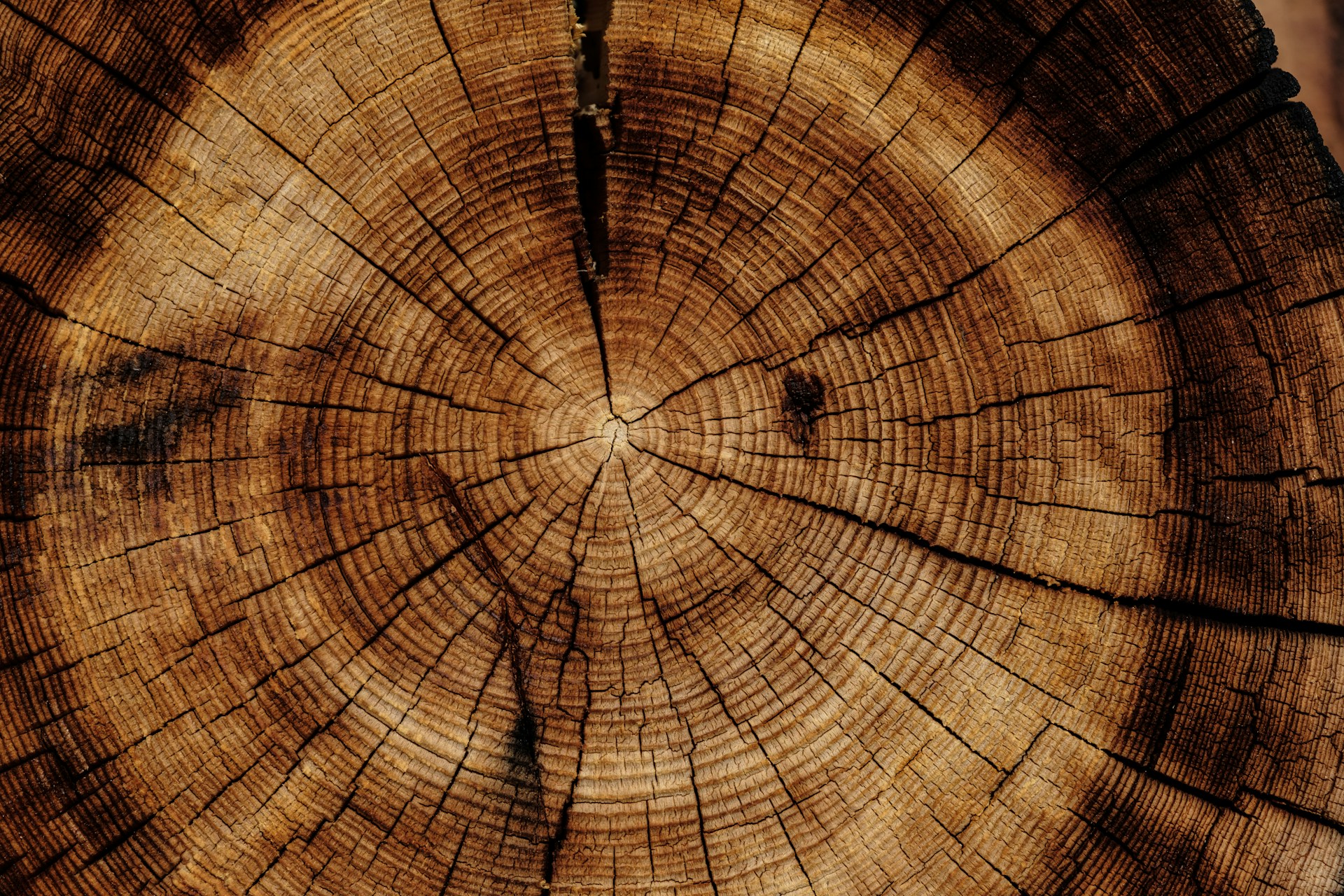
Cedar
genus Cedrus
ROOTS AND BARK
Cedar (genus Cedrus)


Preparation & Best Practices
Cedar is commonly prepared in several traditional ways.
Common preparations include:
• Infusions (mild, species-dependent)
• Washes and rinses
• Infused oils
• Aromatic use (burning, smoldering)
Best practices include:
• Use correct species identification
• Use wood or leaf depending on preparation
• Combine with sage for cleansing blends
• Pair with pine resin for grounding topical preparations
• Blend with lavender for aromatic balance
Cedar is often used as a supportive aromatic material, contributing depth and grounding to formulations.
Best Extraction Practices
Cedar extracts best through:
• Leaf — infusion (gentle use)
• Wood — oil infusion
• Aromatic release (burning/smoldering)
Oil and aromatic methods are especially effective for its volatile compounds.
Shelf Life in Storage
Cedar is relatively stable.
Typical range:
• Dried wood/leaves: 1–3 years
• Infused oil: 6–12 months
Store in:
• Airtight containers
• Cool, dry conditions
Safety Notes
Cedar should be used with awareness.
Important considerations include:
• Use correct species (important distinction)
• Use moderate amounts
• Avoid excessive or concentrated use
• Use caution with internal use depending on species
Energetic & Ritual Associations
Cedar is considered grounding, protective, and stabilizing.
It is often used when there is a need for clarity, protection, or rootedness, helping to create a sense of anchored presence.
Symbolically, cedar has long been associated with protection, strength, and connection to the natural world, often used in practices that emphasize grounding and purification.
In the Archive With…
Often associated with herbs and materials traditionally used for cleansing, grounding, and aromatic support, including:
Sage
Pine Resin
Lavender
Rosemary
Frankincense
These materials frequently appear in preparations intended to support purification, grounding, and aromatic balance.
Appearance & Character
Cedar refers to a group of evergreen trees with aromatic wood, needle-like or scale-like leaves, and a strong, distinctive scent.
Depending on the species, the foliage may appear as soft needles or flat, fan-like sprays, typically ranging from deep green to blue-green.
The wood is lightweight yet durable, with a warm reddish to golden tone, and carries a deep, woody, slightly sweet aroma.
Cedar’s scent is grounding, clean, and expansive, often described as both calming and clarifying.
Identity & Origin
“Cedar” in herbal practice may refer to several species, most commonly:
• Juniperus spp. (often called cedar in North America)
• Thuja spp. (arborvitae)
• True cedars (Cedrus spp.) in other regions
These trees are found across North America, Europe, and parts of Asia, growing in forests and mountainous regions.
Key identifying features include:
• Leaf: needle-like or scale-like evergreen foliage
• Wood: aromatic, durable, and resinous
• Growth habit: tall, long-lived evergreen tree
• Aroma: strong, woody, and slightly sweet
Parts traditionally used:
• Wood
• Leaves (varies by species)
Key Minerals & Constituents
Cedar contains a variety of aromatic compounds.
Key constituents include:
• Volatile oils (including thujone in some species)
• Terpenes
• Resins
• Flavonoids (trace)
These contribute to its role as an aromatic, antimicrobial, and grounding plant material.
Historical & Cultural Context
Cedar has been used for centuries in Indigenous traditions of North America, as well as in other global cultures, for both practical and ceremonial purposes.
It has long been valued for its use in cleansing, protection, and ritual practices, often burned or used in preparations to create a sense of clarity and grounded presence.
Cedar has also been used traditionally for its preservative and protective qualities, both physically and symbolically.
Uses in Apothecary Work
In herbal practice, cedar is commonly used to support:
• Aromatic and respiratory support
• Cleansing and purifying preparations
• Topical applications
• Insect-repelling blends
• Grounding aromatic formulations
Commonly used parts
• Wood — infusions, smoldering, topical use
• Leaves — infusions, washes (species-dependent)
Cedar is especially well known for its use in aromatic, topical, and ritual preparations, where its scent and presence are central.

Contact
info@wildmedicineguide.com
+1-470-304-8111
© 2026 Wild Medicine Apothecary LLC. All rights reserved.
Kennesaw, GA
Wild Medicine Apothecary LLC provides educational information and professional tools for general informational purposes. Content and resources do not constitute legal advice, medical advice, or regulatory certification.
Herbalism, formulation, folklore, research, and small-batch apothecary work under one roof.
From plant monographs and seasonal features to cosmetic formulation, maker education, and practical documentation systems.
Wild Medicine Apothecary


Check out my other rantings at Brainz Magazine
Root around on our socials here