

Tincture
Tinctura
PREPARATION METHODS
Tincture (Tinctura)

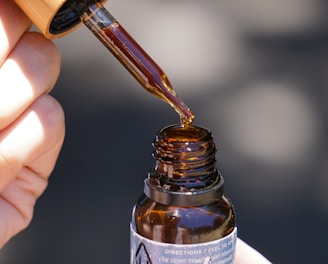
Herbal tinctures are made by soaking plant material in alcohol so the solvent extracts and preserves the plant’s active compounds.
This preparation captures a wide range of constituents and produces a concentrated, shelf-stable extract used in small doses.
Tinctures are one of the most widely used preparations in herbal practice due to their potency, versatility, and long shelf life.
What It Is
A tincture is a preparation where herbs are macerated in alcohol so that alcohol-soluble and water-soluble plant constituents dissolve into the liquid.
Unlike oils, tinctures extract a broader spectrum of compounds and act as both an extractive and preservative medium.
Appearance & Character
A well-made tincture typically shows clear signs of extraction:
• Color reflects the plant (amber, green, deep brown, etc.)
• Aroma is strong and characteristic of the herb
• Texture is thin and fluid
• Flavor is concentrated and alcohol-forward
The liquid should remain clear and stable, without cloudiness, separation, or spoilage.
Best For
Tinctures are most effective for herbs that contain:
• Alkaloids
• Resins
• Volatile oils
• Bitter compounds
• Glycosides
• Flavonoids
They are especially useful when concentrated, fast-acting, and long-lasting preparations are desired.
Solubility & Extraction Notes
Alcohol extracts a wide range of plant compounds, including both:
• Alcohol-soluble compounds (resins, alkaloids, essential oils)
• Water-soluble compounds (when alcohol is diluted)
Different alcohol strengths extract different compounds:
• High alcohol (60–90%) — resins, roots, dense materials
• Moderate alcohol (40–60%) — general-purpose extraction
• Lower alcohol (20–40%) — mucilage and mineral-rich plants (when water is present)
Fresh plants dilute alcohol naturally, while dried plants require intentional water content for balanced extraction.
Historical & Cultural Context
Tinctures became prominent with the development of distilled alcohol and have long been used in Western herbal medicine and apothecary traditions.
They allowed herbalists to preserve plant medicines beyond seasonal availability, making them a cornerstone of traditional and modern herbal practice.
In the Archive With…
Often associated with preparation methods that focus on extraction and preservation, including:
Alcohol / Ethanol
Glycerite
Elixir
Oxymel
Infused Honey
These preparations frequently appear in herbal practice to support efficient extraction, preservation, and ease of use.
Shelf Life
Tinctures are highly shelf-stable due to alcohol content.
Typical range:
• 3–5+ years
Store in:
• Airtight glass containers
• Cool, dark environments
Properly prepared tinctures remain potent and stable for extended periods.
Tinctures are typically prepared using a simple maceration method.
Herb Preparation
Before extracting:
• Use dried herbs for consistency and control
• Use fresh herbs for vibrant, energetically active extracts
• Chop or break up plant material to increase surface area
Typical starting ratio:
• 1 part dried herb : 4–5 parts alcohol
• Fresh herbs vary depending on moisture content
Steps
Place herb in a clean glass jar
Cover completely with alcohol
Seal and store in a cool, dark place
Shake periodically
Strain after extraction is complete
Bottle and label
Ensure all plant material remains fully submerged to prevent spoilage.
Safety Notes
Tinctures are widely used but require mindful use:
• Alcohol content may not be suitable for all individuals
• Use appropriate dosing due to concentration
• Be aware of medication interactions
• Ensure proper plant identification
Tinctures are often diluted in water before use.
Contact
info@wildmedicineguide.com
+1-470-304-8111
© 2024. All rights reserved.
Kennesaw, GA
Wild Medicine Guide provides educational resources and professional tools. It does not provide legal advice or regulatory certification.
Wild Medicine Guide is part of the educational work of Wild Medicine Apothecary (WMA).
Wild Medicine Apothecary provides compliance education, documentation systems, and botanical reference materials for independent cosmetic brands.