
Plants are the heart of herbal work.
Leaves, flowers, seeds, and aerial parts carry the volatile oils, minerals, mucilage, and anti-inflammatory compounds that make botanical apothecary rich and effective.
These herbs become:
• soothing infusions
• powdered additions to cleansers
• calming elements in bath stones
• nutritive allies for skin and scalp
Some plants offer slip. Some offer color. Others offer aroma, soothing, or strength.
Each behaves differently depending on how it’s cut, powdered, infused, or extracted.
Solubility & Behavior in Water
• Water infusion yields pale gold tea
• Infuses easily into oils
• Petals soften but do not dissolve
Compatibility & Pairings
• Chamomile
• Plantain
• Oat powder
• Coconut milk
• White kaolin
Energetic & Ritual Associations
Light, warming, protective.
Used in rituals for comfort, radiance, and gentle uplift.
Shelf Life & Storage
1–2 years dried; infused oils vary by carrier.
Safety Notes
• Rare allergies in Asteraceae-sensitive individuals
• Very gentle for most skin types
Calendula
Identity & Origin
Latin Name: Calendula officinalis
Family: Asteraceae
Part Used: Petals
Forms: Whole petals, powdered petals, infused oils, glycerites
Uses in Apothecary Work
• Infused oils
• Salves & balms
• Bath infusions
• Skin-soothing blends
• Powdered mask additions
• Brightening cleansing grains
Historical & Cultural Context
Used across European, Mediterranean, and Middle Eastern herbal traditions.
A beloved herb of midwives and traditional healers.
Symbolically aligned with the sun, warmth, protection, and gentle illumination.


Golden Sun • Skin Comfort
Key Minerals & Constituents
Rich in:
• Flavonoids
• Carotenoids
• Resinous compounds
• Saponins
Traditionally used to soothe, restore, calm, and soften skin.
Preparation & Best Practices
Best Extracted In:
• Oil (primary — resins + carotenoids)
• Glycerin (secondary for gentle skin-supportive constituents)
• Infuse dried petals in oil for 4–6 weeks or via gentle heat
• Combine with aloe or oats for skin-calming powders
• Petals can be powdered and added directly to masks or bath blends
Energetic & Ritual Associations
Light, warming, protective.
Used in rituals for comfort, radiance, and gentle uplift.
In the Archive With…
• Chamomile
• Plantain
• Coconut Milk Powder (Future)
Appearance & Character
Bright golden to deep orange petals, soft and resinous when rubbed between fingers.
A mild, honey-like aroma with green undertones.
When infused, releases a golden hue into oils and water.
Solubility & Behavior in Water
• Water-soluble aromatic compounds
• Flowers soften; powder disperses
• Adds warm, calming scent to blends
Compatibility & Pairings
• Calendula
• Oats
• Rose
• White kaolin
• Marshmallow root
Shelf Life & Storage
1 year dried; loses aroma over time.
Safety Notes
• Allergies possible for Asteraceae-sensitive individuals
• Very gentle otherwise
Chamomile
Identity & Origin
Latin Names: Matricaria chamomilla (German), Chamaemelum nobile (Roman)
Family: Asteraceae
Part Used: Flowers
Forms: Whole flowers, powdered flowers, teas, oils, glycerites
Uses in Apothecary Work
• Bath teas
• Cleansing grains
• Skin-soothing powders
• Hair rinses
• Facial steams
• Calming blends
Historical & Cultural Context
One of the oldest recorded herbs in European and Middle Eastern herbalism.
Used by midwives, healers, and folk practitioners for centuries.
Associated with rest, comfort, and the moon’s gentle influence.


Soft Calm • Golden Sweetness
Key Minerals & Constituents
Rich in:
• Apigenin
• Azulene (especially when steam-distilled)
• Mucilage
• Flavonoids
Traditionally used for calming, softening, soothing, and easing tension.
Preparation & Best Practices
Best Extracted In:
• Water (primary — aromatic compounds + flavonoids)
• Oil (secondary — for topical soothing and azulene content)
• Steep as tea for baths or rinses
• Powder for masks or gentle exfoliating blends
• Combine with oats or kaolin for sensitive skin
Energetic & Ritual Associations
Moon + Sun.
Used for peace, rest, blessing, and soft emotional unwinding.
In the Archive With…
• Calendula
• Rose
• Oat Powder (future)
Appearance & Character
Small, daisy-like yellow heads with white petals.
Powder becomes pale yellow and sweetly aromatic.
Warm, apple-honey scent.
Solubility & Behavior in Water
• Steeps into a deep green infusion
• Powder disperses but does not dissolve
• Slightly earthy scent becomes mild in blends
Compatibility & Pairings
• Cleavers
• Burdock
• Chamomile
• Rice powder
• Kaolin clay
Shelf Life & Storage
1–2 years dried.
Safety Notes
• Very gentle when dried
• Avoid if fresh stingers are improperly processed
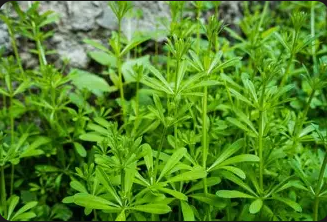
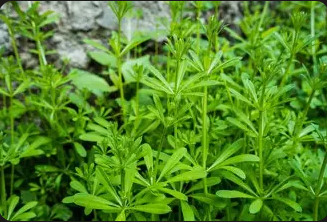
Cleavers
Identity & Origin
Latin Name: Galium aparine
Family: Rubiaceae
Part Used: Aerial parts
Forms: Dried herb, powder, tincture, cold infusion
Uses in Apothecary Work
Historical & Cultural Context
• Cold infusions
• Spring blends
• Bath teas
• Skin-clearing washes (traditional)
• Powder additions for “green” cleansing energy
Historical & Cultural Context
Used in European and North American folk medicine as a spring tonic.
Symbolically tied to renewal, thawing, and waking the body after winter.
Flow & Release • Spring Awakening
Key Minerals & Constituents
Rich in:
• Iridoids
• Coumarins
• Mucilage
• Minerals
Traditionally associated with lymphatic flow, spring cleansing, and gentle movement..
Preparation & Best Practices
Best Extracted In:
• Cold water (primary — preserves delicate compounds)
• Light alcohol tincture (secondary, low alcohol works best)
• Best extracted via cold infusion to preserve delicate compounds
• Combine with nettle or calendula for synergistic blends
• Great for bright, “green” skincare rituals
Energetic & Ritual Associations
Water + Air.
Symbolic of movement, unclogging, clearing pathways, and fresh beginnings.
Appearance & Character
Green, slender stems with tiny hooked hairs (fresh); when dried, lightweight and grassy.
Powder is pale green and soft.
Solubility & Behavior in Water
• Water-soluble aromatic compounds
• Flowers soften; powder disperses
• Adds warm, calming scent to blends
Compatibility & Pairings
• Calendula
• Oats
• Rose
• White kaolin
• Marshmallow root
Shelf Life & Storage
1 year dried; loses aroma over time.
Safety Notes
• Allergies possible for Asteraceae-sensitive individuals
• Very gentle otherwise
Nettle
Identity & Origin
Latin Name: Urtica dioica
Family: Urticaceae
Part Used: Leaf
Forms: Dried leaf, powder, tea, infusion
Uses in Apothecary Work
• Mineral-rich infusions
• Bath soaks
• Skin-clearing washes
• Cleansing grains
• Hair rinses for shine and scalp health
Historical & Cultural Context
Used in European, Celtic, and Scandinavian herbal traditions.
Associated with resilience, strengthening, and fortification.


Mineral-Rich • Vitality Rooted in Green
Key Minerals & Constituents
Rich in:
• Iron
• Magnesium
• Calcium
• Chlorophyll
• Flavonoids
A classic mineral tonic herb traditionally used for deep nourishment.
Preparation & Best Practices
Best Extracted In:
• Hot water (primary — minerals + flavonoids)
• Vinegar (secondary — pulls minerals exceptionally well)
• Best extracted via long, hot infusion
• Combine with cleavers, chamomile, or calendula
• Powder blends well with clays for green masks
Energetic & Ritual Associations
Earth + Fire.
Linked to protection, fortification, and building vitality.
Appearance & Character
Deep green, serrated leaves; when dried, crisp and mineral-scented.
Powder is a muted, earthy green.
Solubility & Behavior in Water
• Steeps into a soft green tea
• Powder disperses but does not dissolve
• Offers mild mucilage
Compatibility & Pairings
• Calendula
• Chamomile
• Oats
• Kaolin clays
• Marshmallow root
Energetic & Ritual Associations
Earth.
Used for anchoring, safety, protection, and soothing.
Shelf Life & Storage
1–2 years dried.
Safety Notes
• Very gentle
• Keep dry to avoid mold
PLANTAIN (LEAF)
Identity & Origin
Latin Name: Plantago major, Plantago lanceolata
Family: Plantaginaceae
Part Used: Leaf
Forms: Dried leaf, powder, poultice, infused oil
Uses in Apothecary Work
Historical & Cultural Context
• Infused oils for balms
• Salves
• Poultices
• Cleansing grains
• Bath teas
• Mask blends for skin-calming
Historical & Cultural Context
A staple of North American and European folk medicine.
Often called “White Man’s Footprint” because it thrives where settlers traveled.
Symbolically associated with protection, grounding, and quick comfort.
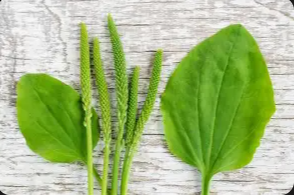
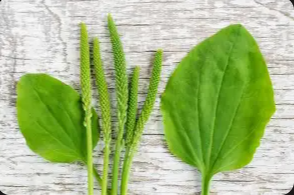
Green Shield • Restorative Ground
Key Minerals & Constituents
Rich in:
• Allantoin
• Mucilage
• Tannins
• Chlorophyll
Traditionally used for skin restoration, drawing, and soothing.
Preparation & Best Practices
Best Extracted In:
• Oil (primary — for allantoin + soothing compounds)
• Water (secondary — for mucilage)
• Works beautifully as infused oil
• Powder blends well with clays
• Add to bath soaks for green grounding action
Energetic & Ritual Associations
Earth.
Used for anchoring, safety, protection, and soothing.
Appearance & Character
Deep green oval leaves with fibrous veins.
Dried leaf becomes crisp; powdered plantain is olive green and soft.
Solubility & Behavior in Water
• Infuses into pale pink-gold tea
• Powder disperses easily
• Adds gentle scent and colCompatibility & Pairings
• Chamomile
• Pink kaolin
• Coconut milk
• Marshmallow root
• Calendula
Shelf Life & Storage
1–2 years dried; color fades over time.
Safety Notes
• Very gentle
• Rare contact sensitivities possible
Rose
Identity & Origin
Latin Names: Various Rosa species (most common: R. damascena, R. centifolia)
Family: Rosaceae
Part Used: Petals
Forms: Whole petals, powdered petals, hydrosols, infused oils, glycerites
Uses in Apothecary Work
• Powdered cleansing grains
• Bath blends
• Facial steams
• Mask blends
• Rose-infused oils
• Aromatic skin-soothing powders
Historical & Cultural Context
Central to the beauty traditions of the Middle East, South Asia, and Europe.
Used in perfumery, ritual baths, and skincare for thousands of years.
Symbolically tied to love, compassion, beauty, and emotional healing.


Heart-Spirit • Soft Radiance
Key Minerals & Constituents
Rich in:
• Volatile oils
• Tannins
• Anthocyanins
• Flavonoids
Known for softening, cooling, uplifting, and beautifying properties.
Preparation & Best Practices
Best Extracted In:
• Water (primary — volatile compounds + flavonoids)
• Glycerin (secondary — excellent for aroma + gentle constituents)
• Grind petals freshly for the best color
• Combine with pink kaolin for gentle balancing masks
• Add to bath soaks for soft scent and warmth
Energetic & Ritual Associations
Water + Fire.
Associated with love, beauty, emotional release, and spiritual softening.
In the Archive With…
• Chamomile
• Pink Kaolin
• Coconut Milk (Future)
Appearance & Character
Velvety petals in shades of pink to deep crimson.
Powder becomes soft, mauve-pink, and fragrant.
Aroma ranges from sweet to citrusy, depending on the species.

You've reached the end, for now.... or have you?

Wild Medicine apothecary
Contact
Join the Hearth-Letter
info@wildmedicineguide.com
+1-470-304-8111
© 2024. All rights reserved.
Kennesaw, GA & CA Location Coming soon
a working apothecary focused on knowledge and luxury laid bare.
Wild Medicine Apothecary offers botanical formulations, apothecary monographs, and premium digital scrolls for herbalists and makers.