

The ways herbs are awakened.
Herbs do not give their gifts all at once.
Some open in cool water, some in long simmering.
Some melt into honey, some bloom only in alcohol or vinegar.
Every plant has its preferred doorway — its own way of being coaxed, welcomed, or warmed awake.
In the apothecary, preparations become:
• the backbone of teas and infusions
• the deep draw of roots and barks
• the sweetness of syrups
• the clarity of tinctures
• the green brightness of vinegars
• the softness of oils and honeys
• the gentle magic of glycerites
Each method pulls something different — minerals, mucilage, aromatics, bitters, or resins.
No single preparation can reach every part of a plant.
Their magic is technique, tradition, and transformation.
This section explores the twelve core methods of herbal extraction:
how they work, what they reveal, which plants they love, and how to use them safely and effectively in your craft.
Solubility & Extraction Notes
Extracts:
• Vitamins
• Minerals
• Mucilage
• Delicate aromatics
Does not extract resins or volatile oils well.
Shelf Life
Use within 24 hours.
Safety Notes
Always refrigerate; discard if cloudy or sour.
Cold Infusion
Best For
• Cleavers
• Nettle (for minerals
• Rose
• Lemon balm
• Fresh aerial parts


Moon-Steeped Water • Gentle Extraction
Appearance & Character
Produces pale, glowing, subtly flavored infusions.
Feels refreshing and gentle.
Preparation & Best Practices
• Fill jar ¼–½ with herb
• Cover with cool water
• Infuse 4–12+ hours
• Strain and refrigerate
• Best consumed same day
Historical & Cultural Context
Traditional in spring herbalism and folk medicine, especially for tender greens.
What It Is
A slow water extraction using cool or room-temperature water to preserve delicate, fresh, green compounds that degrade at higher temperatures.
Energetic & Ritual Associations
Moon, dawn, renewal, clarity.
Used for subtle shifts and gentle awakenings
Solubility & Extraction Notes
Extracts:
• Bitter compounds
• Minerals
• Starches
• Some proteins
Does not extract aromatics well (steam carries them away).
Shelf Life
Refrigerated: 2–3 days.
Safety Notes
Do not decoct mucilage-heavy herbs (slippery elm, marshmallow).
Decoction
Best For
• Burdock root
• Chicory root
• Dandelion root (future)
• Cinnamon bark (Future)
• Hard seeds and berries (Future Entries)


Root-Deep • Earth-Drawn Extraction
Appearance & Character
Produces dark, earthy, rich brews with strong aroma and flavor.
Preparation & Best Practices
• Simmer herbs 20–45 minutes
• Keep pot covered
• Strain thoroughly
• Reduce further for strong preparations
Historical & Cultural Context
A cornerstone of traditional herbalism worldwide.
Used for tonics, broths, and winter medicine.
What It Is
A long, slow simmer used to extract the dense, earthy compounds from roots, barks, and berries.
Energetic & Ritual Associations
Earth, winter, ancestry, endurance.
Solubility & Extraction Notes
Mostly surface-contact extraction: the plant constituents act where they touch
Liquids used (water, hydrosol, honey, oil) influence which constituents are accessed
Not meant as a deep internal extract — more of a direct, topical delivery form
Shelf Life
Use immediately, or within hours.
Not shelf-stable without preservation.
Safety Notes
Patch test with strong or unfamiliar herbs
Avoid sensitive areas if using warming or stimulating plants
Electuary (Herbal Paste)
Best For
Masks and cleansing grains
Spot treatments
Single-use applications (not long-term storage)
Single Dose herbal supplements


Earth + Water • Fresh, Direct Application
Appearance & Character
Dense, spreadable, often richly colored.
Can be smooth or lightly textured depending on the powders used.
Preparation & Best Practices
Combine dry powders (clays, grains, herbs) in a bowl
Add just enough liquid (water, hydrosol, honey, or oil) to form a paste
Mix until smooth
Use immediately or within a very short window (no preservative)
Historical & Cultural Context
Common in Ayurvedic, Middle Eastern, European, and Indigenous traditions, where clays, grains, and herbs were ground fresh and applied directly to skin or mixed and taken internally.
In the Archive With…
Kaolin clays (white, pink)
Arrowroot
Rice powder
Rose
Calendula
What It Is
A thick, spreadable blend of powdered herbs combined with a small amount of liquid (water, hydrosol, honey, oil, or a mix) to form a soft, workable paste for topical or short-term use.
Energetic & Ritual Associations
Earth + Water.
Embodiment, presence, skin rites, “painting” the body with medicine.
Solubility & Extraction Notes
Extracts:
• Alcohol-soluble compounds (aromatics, bitters, resins)
• Water-soluble compounds (via honey’s moisture)
• Gentle aromatics and flavonoids
Not suited for mucilage-dominant herbs.
Shelf Life
Several years, depending on alcohol content (should be tincture-strength for stability).
Safety Notes
• Contains alcohol and sugar
• Not suitable for children or those avoiding alcohol
• Always label clearly
Elixir (Alcohol + Honey fusion)
Best For
• Aromatic heart herbs (rose, hawthorn, lemon balm)
• Bitters needing mellowing
• Nervous system support blends
• Ritual tonics with emotional resonance


Spirit + Sweetness • Heart-Tending Extraction
Appearance & Character
Golden, ruby, or amber depending on the herb.
Sweet, warming, potent, and luxurious.
Thick but pourable — a sensory bridge between tincture and syrup.
Preparation & Best Practices
Combine dry powders (clays, grains, herbs) in a bowl
Add just enough liquid (water, hydrosol, honey, or oil) to form a paste
Mix until smooth
Use immediately or within a very short window (no preservative)
Historical & Cultural Context
Used in European, Middle Eastern, and folk herbal traditions where honey, wine, and spirits were combined with herbs for tonics, hearth medicine, and ritual offerings.
What It Is
A thick, spreadable blend of powdered herbs A hybrid extraction method combining alcohol and honey, capturing the strength of a tincture with the softness, sweetness, and preservation of honey.
Energetic & Ritual Associations
Fire + Heart + Sweetness.
Used for courage, devotion, emotional softening, and ritual offerings.
Solubility & Extraction Notes
Extracts:
• Aromatics
• Flavonoids
• Some mucilage
• Some resins
Less effective for bitter roots or dense barks.
Shelf Life
1–2 years.
Safety Notes
Ensure glycerin is food grade if consuming.amins
• Minerals
• Mucilage
• Delicate aromatics
Does not extract resins or volatile oils well.
Shelf Life
Use within 24 hours.
Safety Notes
Always refrigerate; discard if cloudy or sour.
Glycerite (includes botanical glycerites)
Best For
• Rose
• Calendula (secondary)
• Chamomile
• Lemon balm
• Flavor-sensitive herbs
• Alcohol-free formulas


Sweet Extract • Alcohol-Free Elixir
Appearance & Character
Thick, sweet, amber or greenish depending on the herb.
Preparation & Best Practices
• Ratio 1:2 fresh or 1:5 dried is common
• Blend glycerin with 20–40% water
• Shake daily
• Strain after 4–6 weeks
Historical & Cultural Context
Popularized in modern herbalism as an inclusive, accessible extract.
What It Is
A plant extraction made using glycerin — sweet, shelf-stable, gentle.
Energetic & Ritual Associations
Sweetness, gentleness, invitation.
Solubility & Extraction Notes
Carries only the water-soluble and hydrophilic portions of volatile oils — not full aromatics.
Energetic & Ritual Associations
Air + Water.
Purification and heart-softening.
Shelf Life
6–12 months refrigerated.
Safety Notes
Must be preserved or refrigerated.
Discontinue if smell changes.
Hydrosol Use
Best For
• Rose
• Chamomile
• Lavender (Future)
• Neroli (future)


Floral Waters • Aromatic Softness
Appearance & Character
Clear, lightly fragrant, quickly absorbed.
Preparation & Best Practices
(Not making — using.)
• Use as toner
• Blend into masks
• Mist before oils
• Use in bath or ritual sprays
Historical & Cultural Context
Used in Middle Eastern, South Asian, and European beauty traditions.
What It Is
The aromatic water byproduct of steam distillation — gently fragrant and skin-safe.
Energetic & Ritual Associations
Air + Water.
Purification and heart-softening.
Solubility & Extraction Notes
Extracts:
• Aromatics
• Flavonoids
• Water-soluble compounds
• Some volatile oils
Does not extract minerals or mucilage well.
Shelf Life
Years if kept dry.
Safety Notes
Avoid using fresh herbs unless skilled in safe techniques.
Infused Honey
Best For
• Rose
• Chamomile
• Ginger
• Peppermint
• Immune-supportive blends (general)


Golden Container • Soft Preservation
Appearance & Character
Thick, golden, fragrant, and luxurious.
Preparation & Best Practices
• Use fully dried herbs to prevent spoilage
• Infuse for 4–6 weeks
• Warm gently to strain if needed
Historical & Cultural Context
Used in folk traditions globally for soothing and preserving herbs.
What It Is
A herbal infusion made by steeping herbs into raw honey.
Energetic & Ritual Associations
Sweetness, blessing, hearth, comfort.
Solubility & Extraction Notes
Extracts:
• Resins
• Carotenoids
• Aromatics
• Fat-soluble compounds
Not ideal for mucilage-rich herbs.
Shelf Life
Based on the carrier oil.
Safety Notes
Use fully dried herbs to prevent spoilage.
Best For
• Calendula
• Plantain
• Rose
• Chamomile


Sun-Warm • Skin-Nourishing Extraction
Appearance & Character
Golden to deep green depending on plant.
Preparation & Best Practices
• Cover dried herbs with carrier oil
• Infuse 4–6 weeks or gently heat
• Strain and store dark
Historical & Cultural Context
Traditional across Europe, Africa, and Mediterranean medicine.
In the Archive With…
• Calendula
• Plantain
• Rose
What It Is
An oil extraction of herbs — excellent for skin preparations.
Energetic & Ritual Associations
Sun, warmth, protection.
Infused Oil
Solubility & Extraction Notes
Extracts:
• Minerals (vinegar is excellent)
• Aromatics
• Some bitters
• Some mucilage
Not great for resins.
Shelf Life
1+ years.
Safety Notes
Avoid metallic lids with vinegar.
Oxymel
Best For
• Aromatic herbs
• Mineral-rich greens
• Roots needing brightening
• Elderberry (common in folk use)
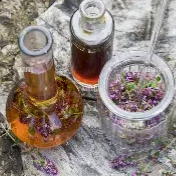
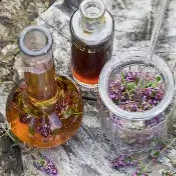
Vinegar + Honey • Sweetened Fire
Appearance & Character
Tangy, sweet, warming, and shelf-stable.
Preparation & Best Practices
• 1 part honey to 1–2 parts vinegar
• Add herbs
• Infuse 2–4 weeks
Historical & Cultural Context
Used since ancient Greek and Middle Eastern medicine.
What It Is
A traditional blend of vinegar and honey used to extract herbs and improve flavor.
Energetic & Ritual Associations
Alchemy, balance, transformation.
Solubility & Extraction Notes
Extracts:
• Minerals (vinegar is excellent)
• AroSolubility & Extraction Notes
Works through direct contact and transdermal absorption, not as a stored extract
Heat or warm liquid helps increase movement of constituents
Not a “solvent extract” but a whole-plant application
Shelf Life
Single-use only.
Discard after use — not for storage.
Safety Notes
Avoid broken skin with potentially irritating herbs
Be cautious with strong, hot, or stimulating herbs
Stop if there is discomfort, burning, or rash
Poultice
Best For
Fresh plant allies (plantain, calendula, chamomile, cabbage, etc.)
Roots and barks when prepared properly
Clay + herb combinations
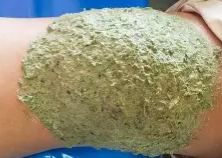
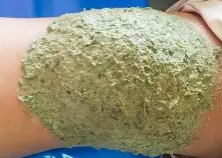
Whole-Plant Compress • Draw, Soothe, Mend
Appearance & Character
Thick, rustic, often messy in the best way.
Feels cool, warm, or neutral depending on the herb and liquid used.
Preparation & Best Practices
Use fresh or rehydrated dried herbs (or clay + herb blends)
Moisten with warm water, tea, vinegar, or other suitable liquid
Apply directly or wrapped in thin cloth to the area
Cover with outer cloth or wrap to hold in place
Remove once cooled or after a set period (often 20–40 minutes)
Historical & Cultural Context
A global folk practice from Indigenous North America to Europe, Africa, and Asia.
Used for sprains, stings, bruises, chest packs, and localized support in many traditions.
What It Is
A moistened mass of herbs, clays, or both, applied directly to the skin and held in place with cloth — used traditionally for drawing, soothing, or warming.
Energetic & Ritual Associations
Earth + Body.
Containing, holding, drawing, bringing the plant’s presence exactly where needed.
Solubility & Extraction Notes
Extracts:
• Water-soluble compounds
• Aromatics
• Some tannins
Not ideal for resins or lipophilic compounds.
Shelf Life
Refrigerated: 1–3 months.
Safety Notes
Use sterilized bottles.
Best For
• Aromatic herbs
• Soothing herbs
• Seasonal blends (general)


Sweetened Decoction • Comfort in Liquid Form
Appearance & Character
Thick, glossy, dark or golden, depending on the herb.
Preparation & Best Practices
• Make strong tea or decoction
• Add equal parts sugar/honey
• Bottle and refrigerate
Historical & Cultural Context
Used in folk medicine globally to make strong herbs more palatable.
What It Is
A sweetened herbal decoction thickened with sugar or honey.
Energetic & Ritual Associations
Comfort, sweetness, winter hearth.
Syrup
Solubility & Extraction Notes
Extracts:
• Minerals
• Aromatics
• Some bitters
Not good for resins.
Shelf Life
1+ years.
Safety Notes
Highly acidic; protect hands and surfaces.
Vinegar Extraction
Best For
• Nettle
• Rose
• Calcium-rich herbs
• Mineral greens


Mineral-Pulling Acid • Bright, Tangy Solvent
Appearance & Character
Bright, tangy, colorful depending on herb.
Preparation & Best Practices
• 1 part honey to 1–2 parts vinegar
• Add herbs
• Infuse 2–4 weeks
Historical & Cultural Context
Used in medieval and folk medicine as “shrub” bases and digestive extracts.
What It Is
A mineral-pulling extraction using vinegar as the solvent.
Energetic & Ritual Associations
Brightness, cutting fog, clarity.

You've reached the end, for now.... or have you?

Wild Medicine apothecary
Contact
Join the Hearth-Letter
info@wildmedicineguide.com
+1-470-304-8111
© 2024. All rights reserved.
Kennesaw, GA & CA Location Coming soon
a working apothecary focused on knowledge and luxury laid bare.
Wild Medicine Apothecary offers botanical formulations, apothecary monographs, and premium digital scrolls for herbalists and makers.